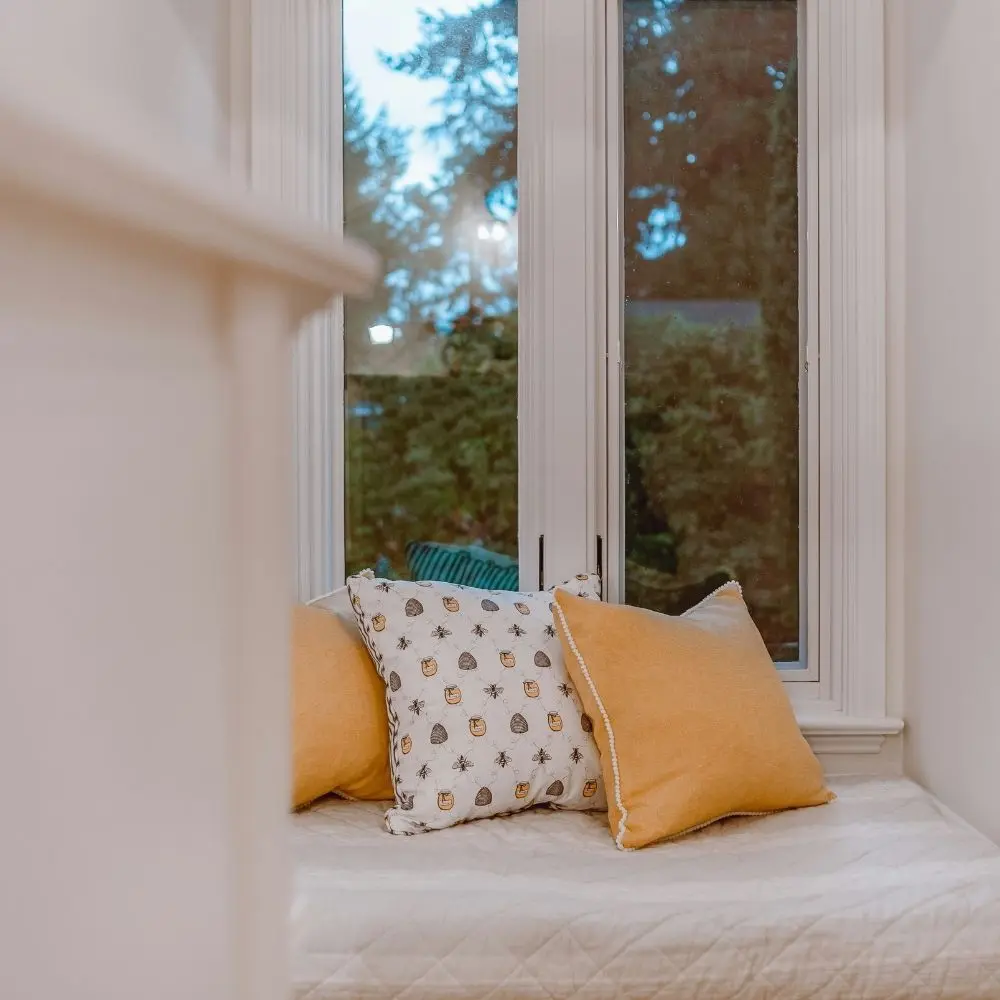
There is something about a window reading nook that slows the whole day down. The light comes in soft, the outside world feels a little further away, and suddenly a corner of your home becomes the spot you actually want to sit in. If you are drawn to cottagecore and slow living, a window reading nook is one of the easiest ways to bring that feeling into a real, lived-in space.
A reading nook has to look soft and inviting, but it also has to actually be comfortable to sit in for an hour with a book and a cup of tea. I spent years working in furniture design before this, so seating comfort and proportions are things I pay close attention to. Both things matter here.
What Makes a Window Reading Nook Cottagecore
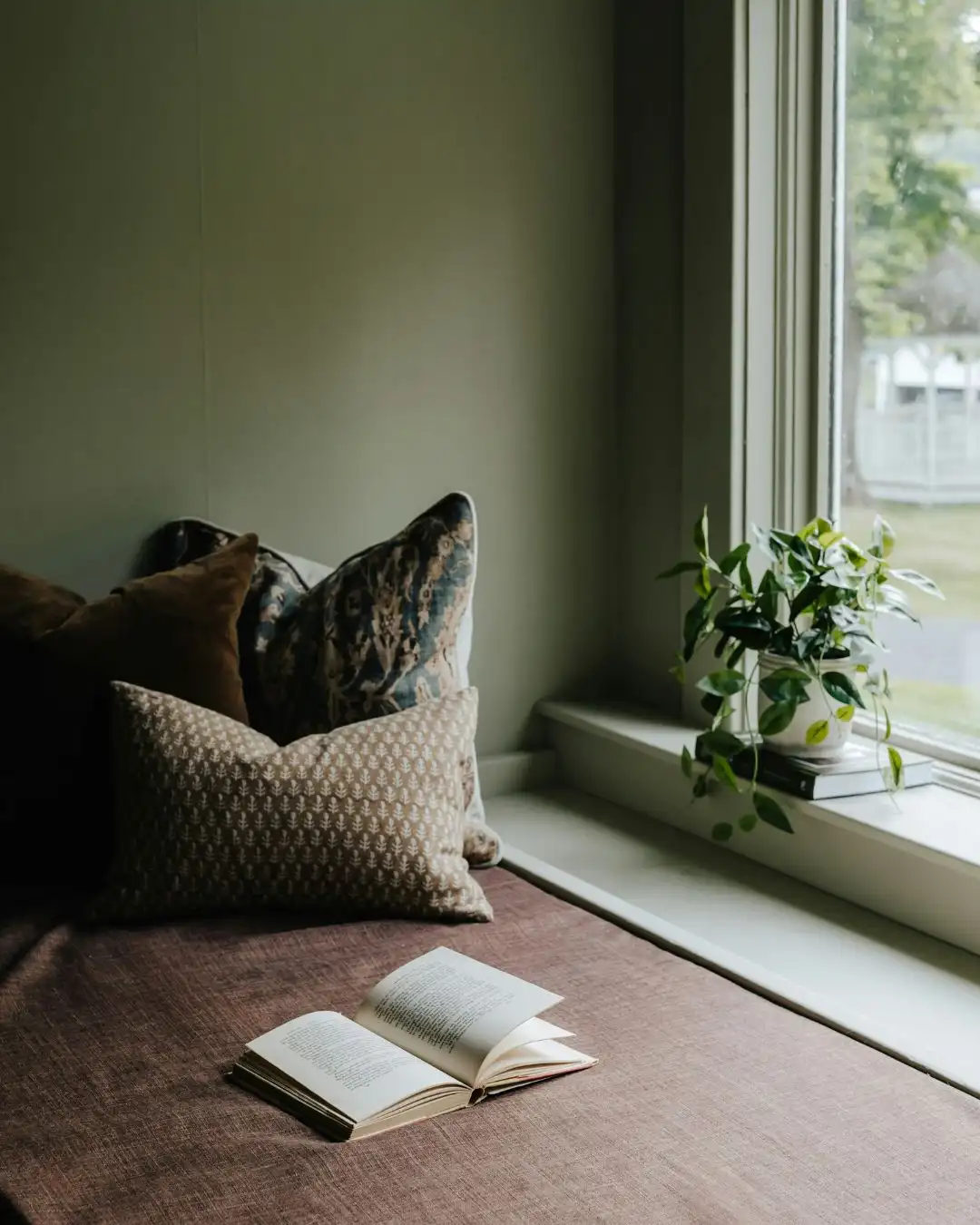
A window reading nook earns its cottagecore feel through a few simple choices: natural light, soft layered textures, and a sense of being tucked away from the rest of the room. Think linen and knit throws, a worn wooden side table, a small stack of books, and greenery that spills over its pot a little. Nothing about it should feel staged. The best window reading nooks look like they happened slowly, one cozy addition at a time, which is really the whole spirit of slow living.
A reading nook can work in a living room too, especially if you already have a cottagecore living room going.
Choosing the Right Spot for Your Window Reading Nook

You do not need a grand bay window to make this work. A window seat with good afternoon light is a wonderful starting point if you have one, but a simple corner near any window with decent natural light can become your reading nook just as easily.
Look for a spot where you get at least a few hours of soft daylight, ideally not harsh direct sun that will fade fabric over time. North or east facing windows tend to give a gentler, more even light throughout the day, which is exactly the mood you want for a cottagecore nook.
If your window seat gets afternoon light, that warmth alone can make the space feel inviting even before you add a single cushion.
Window Reading Nook Furniture and Seating

Seat height matters more than people expect. A window seat should sit at a height that lets your feet rest comfortably, whether that means sitting cross legged or letting your legs hang down. Too high or too low and you will avoid the spot no matter how pretty it looks.
If you do not have a built-in window seat, a small armchair or a slipper chair angled toward the window works beautifully. Look for pieces with simple, slightly worn silhouettes rather than anything too polished. A vintage bench with a cushion on top is another lovely option, especially if you can find one with turned wood legs or a bit of carved detail.
For cushioning, foam that holds its shape but still gives a little is worth the investment. A window seat cushion that flattens out in a month will undo all the coziness you are trying to build.
Window Decor and Finishing Touches
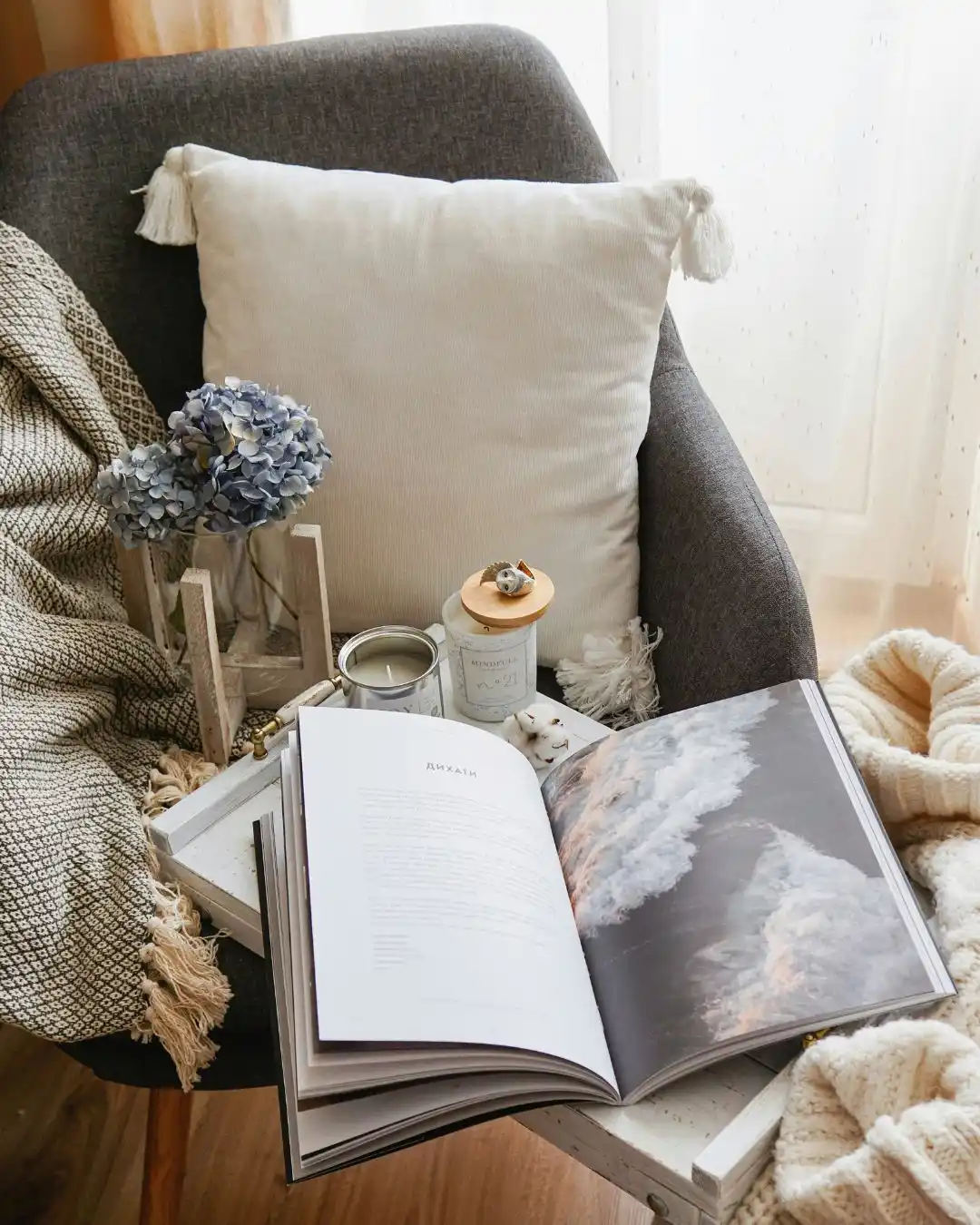
Once the seating is settled, the finishing touches are what pull a window reading nook together. Layered textiles matter here more than almost anything else. A woven throw blanket, a couple of mismatched cushions in linen or cotton, and maybe a small knit pillow give the space that soft, collected-over-time feeling.
For the window itself, light linen curtains let the daylight filter through without blocking it, and if you’re also refreshing the walls nearby, wallpaper pairs beautifully with soft window treatments. If privacy is a concern, a sheer layer underneath a heavier curtain gives you both function and softness.
Trailing plants are almost a requirement for a cottagecore window reading nook. A pothos or ivy on a small shelf nearby, or a trailing plant on the windowsill itself, softens the hard lines of the window frame. Add a small side table for your tea and current book, and a warm-toned lamp for evening reading when the natural light fades.
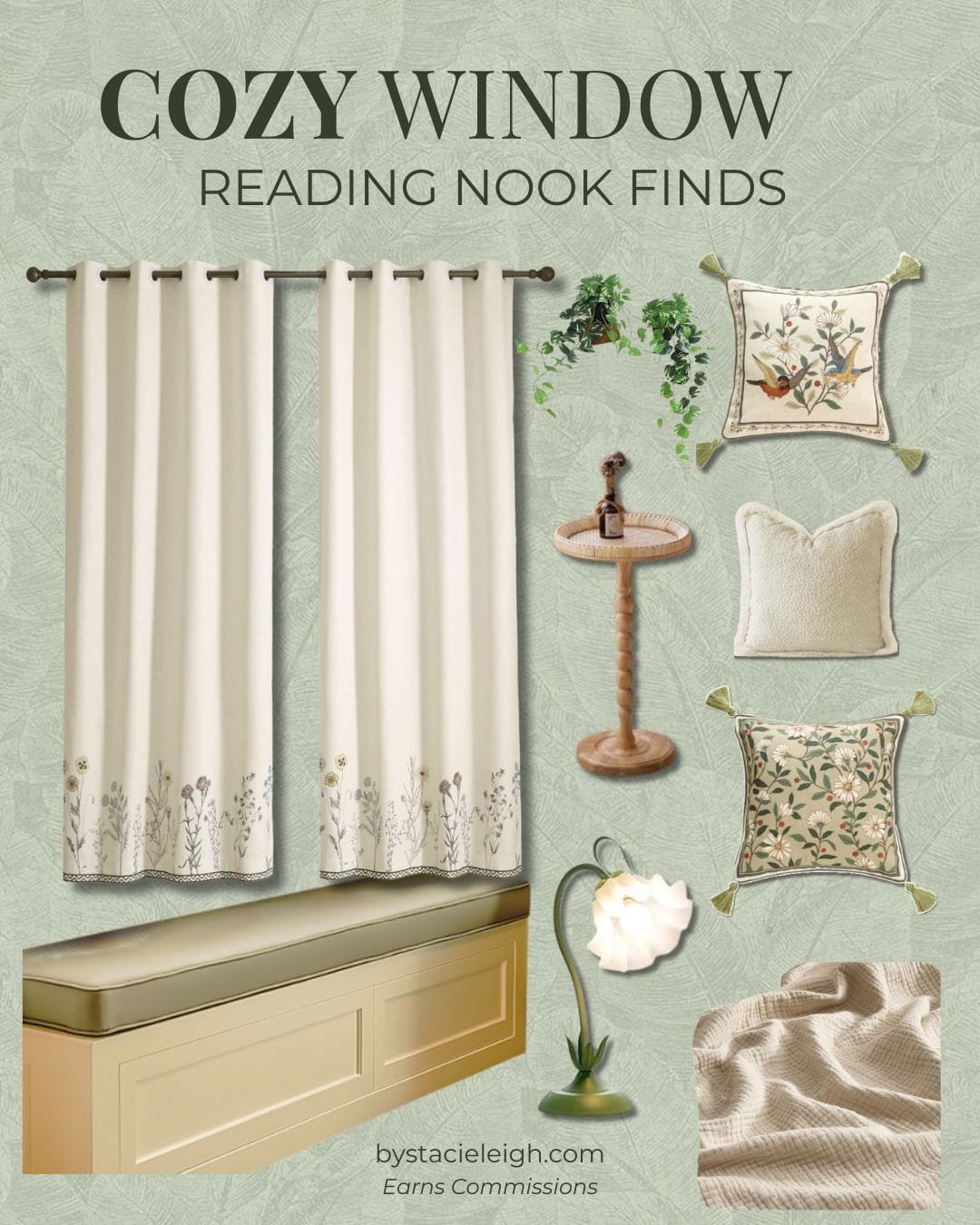
Everything you need for a cozy window reading nook, all in one place.
Small Space Window Reading Nook Ideas

You do not need a spare room or a dedicated alcove to pull this off. A single armchair angled into the corner of a bedroom, positioned near any window, can become a reading nook with the right styling. Even a windowsill deep enough for a cushion and a small stack of books can work if you keep the rest of the styling simple.
For apartments, floating shelves above the window area can hold books and small plants without taking up floor space, and a slim side table on wheels means you can tuck it away when you need the room for something else. The goal is the feeling of a dedicated cozy corner, not necessarily a large footprint.
Bringing It All Together
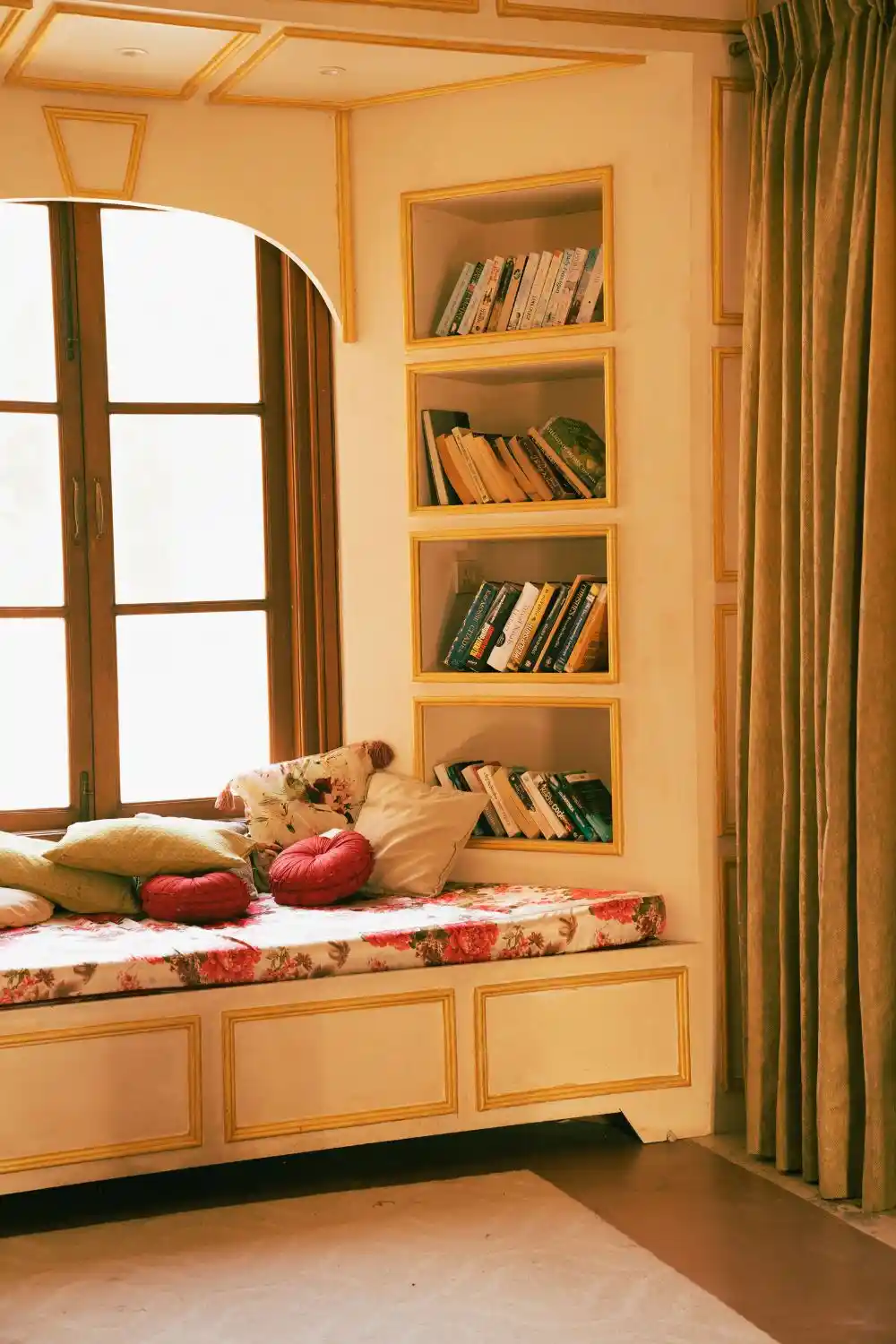
A window reading nook does not need to be complicated or expensive to feel like the coziest spot in your home. Start with comfortable seating at the right height, layer in soft textiles, let in natural light, and add a plant or two. That is really all it takes to create a corner that invites you to slow down.